

What We Actually Know About Robert Maxwell’s Death
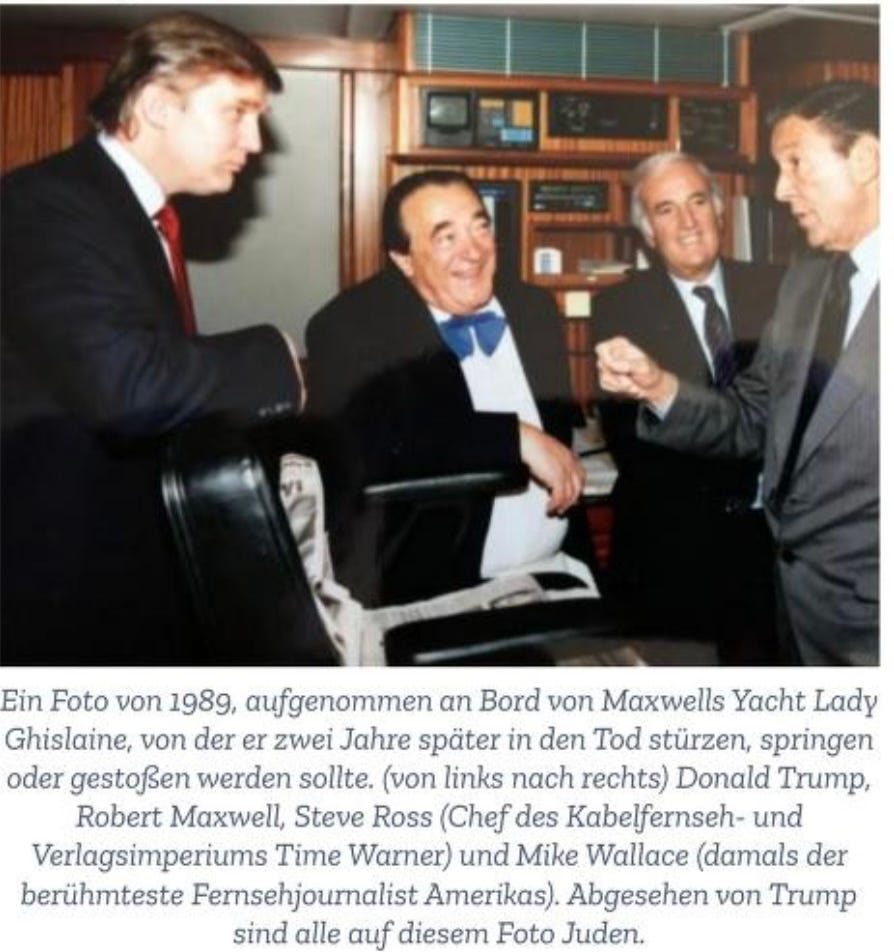
A 68-year-old media baron, larger than life in both reputation and ego, aboard his luxury yacht—the Lady Ghislaine—floating somewhere near the Canary Islands in November 1991. The sea is calm.

An investigation into power, سقوط, and the unanswered questions that refuse to disappear
Before We Begin — A Quick Note for Readers
If you value deeply reported, long-form investigations like this one—stories that go beyond headlines and into the murky intersections of power, money, and secrecy—consider subscribing. Free readers get access to select pieces, but paid subscribers unlock the full archive, exclusive investigations, and early releases. It’s how this work stays independent.
The Night the Tycoon Fell Into the Atlantic
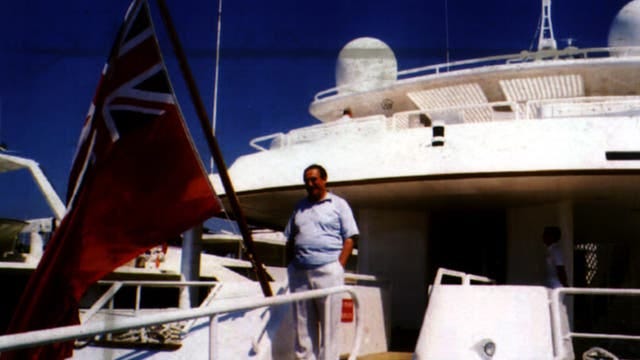
Table of Contents
Who Was Robert Maxwell, Really?
The Financial Collapse Nobody Saw Coming—Or Did They?
The Official Explanation: Accident or Medical Event
The Timing That Raises Eyebrows
The Suicide Theory
The Mossad Allegations
A State Funeral That Complicates the Narrative
The Yacht: A Floating Crime Scene?
The Daughter Who Would Later Become Infamous
Why the Truth Remains Elusive
The Middle Ground — What We Can Actually Confirm
Why This Story Still Matters
The Psychology of a Man Like Maxwell
So—What Do I Think?
The Final Image
Final Thoughts — And One Last Ask
I keep returning to the image.
A 68-year-old media baron, larger than life in both reputation and ego, aboard his luxury yacht—the Lady Ghislaine—floating somewhere near the Canary Islands in November 1991. The sea is calm. The crew is asleep. And by morning, Robert Maxwell is gone.
No witnesses. No clear struggle. Just absence.
His body would be found hours later, drifting in the Atlantic.
Officially, it was ruled an accidental drowning.
But nothing about Maxwell’s life—or his death—has ever felt accidental.
Who Was Robert Maxwell, Really?
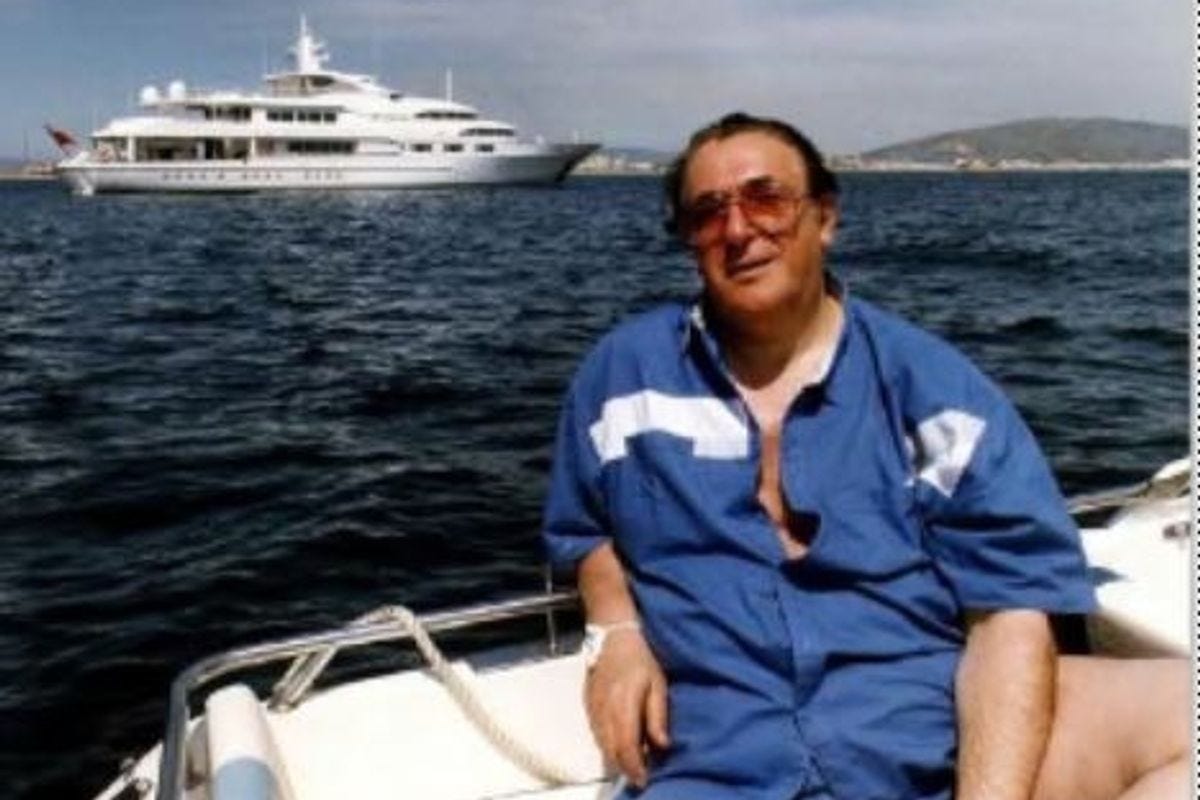
To understand the mystery of his death, you have to understand the man himself.
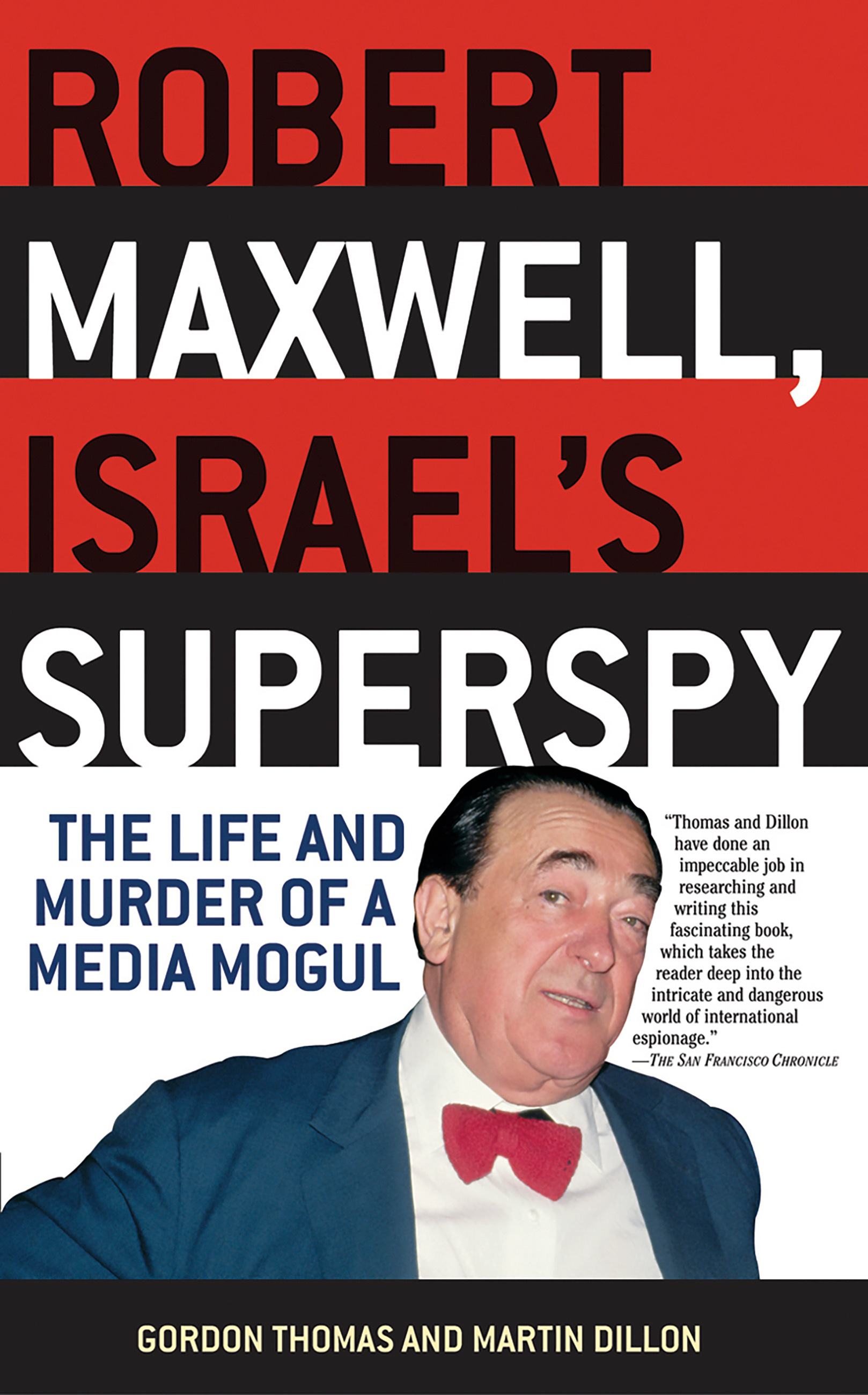
Maxwell wasn’t just wealthy—he was forceful. A towering figure in British media, he controlled the Mirror Group Newspapers and had ambitions that stretched across continents. He was a Member of Parliament, a publisher, and, depending on who you ask, either a self-made genius or a deeply compromised operator.
Born in Czechoslovakia, he reinvented himself in Britain after World War II. His story—Holocaust survivor turned billionaire—was compelling, almost mythic. But beneath that narrative ran something darker: a pattern of opaque financial dealings, aggressive acquisitions, and whispered allegations.
By 1991, the empire was cracking.
The Financial Collapse Nobody Saw Coming—Or Did They?
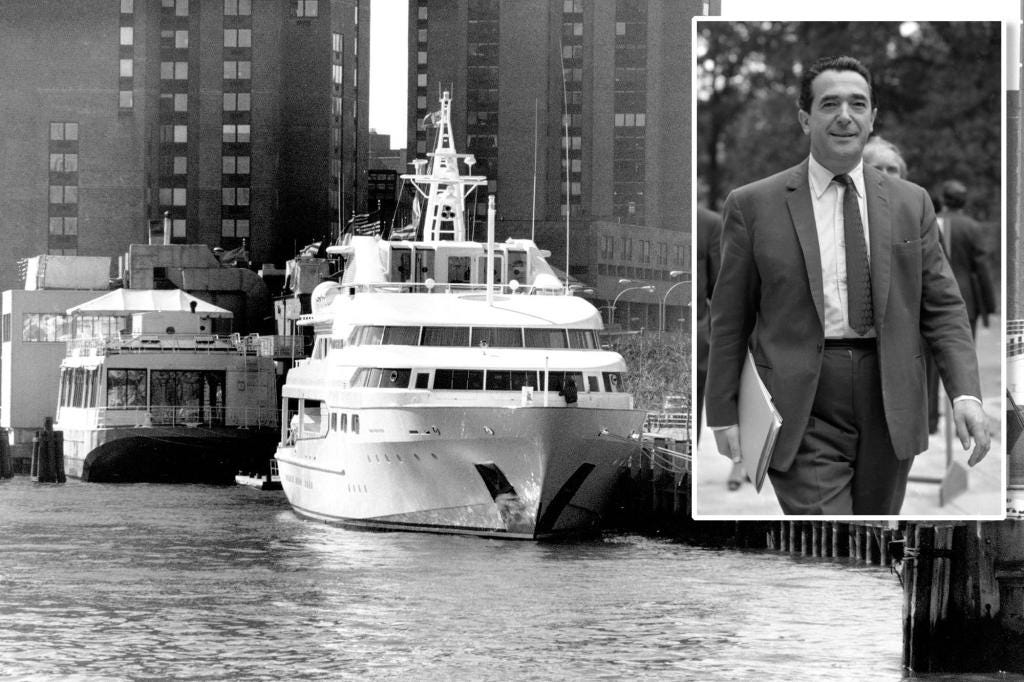
In the weeks before his death, Maxwell was under immense pressure.
His companies were drowning in debt. Behind the scenes, he had been siphoning hundreds of millions of pounds from employee pension funds to prop up his failing businesses. It was a scandal that wouldn’t fully surface until after his death—but evidence suggests he knew the walls were closing in.
Banks were circling. Regulators were asking questions. Deals were falling apart.
I imagine him on that yacht—not as a titan, but as a man running out of moves.
And that’s where the official story begins to feel… insufficient.
The Official Explanation: Accident or Medical Event
The ruling from authorities was straightforward: Maxwell likely fell overboard, possibly due to a heart attack or stroke.
No foul play.
No conspiracy.
Just an aging man, alone on deck, losing his balance.
But here’s the problem: Maxwell was not known for wandering aimlessly at night. He was cautious, security-conscious, and rarely without staff nearby. The idea that he simply slipped, unnoticed, strains belief for many who knew him.
And then there’s the timing.
The Timing That Raises Eyebrows
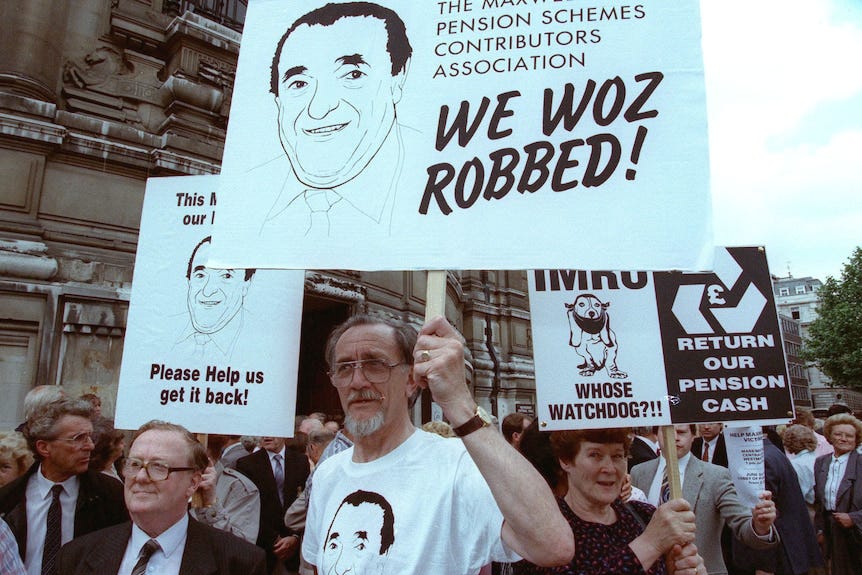
Maxwell dies just as his financial empire is about to implode.
Within days of his death, the extent of the pension fund theft becomes public. The scandal rocks Britain. Thousands of employees discover their retirement savings have been looted.
It’s hard to ignore the sequence:
Financial pressure intensifies
Investigations loom
Maxwell retreats to his yacht
Maxwell dies
The scandal explodes
Coincidence? Possibly.
Convenient? Undeniably.
The Suicide Theory
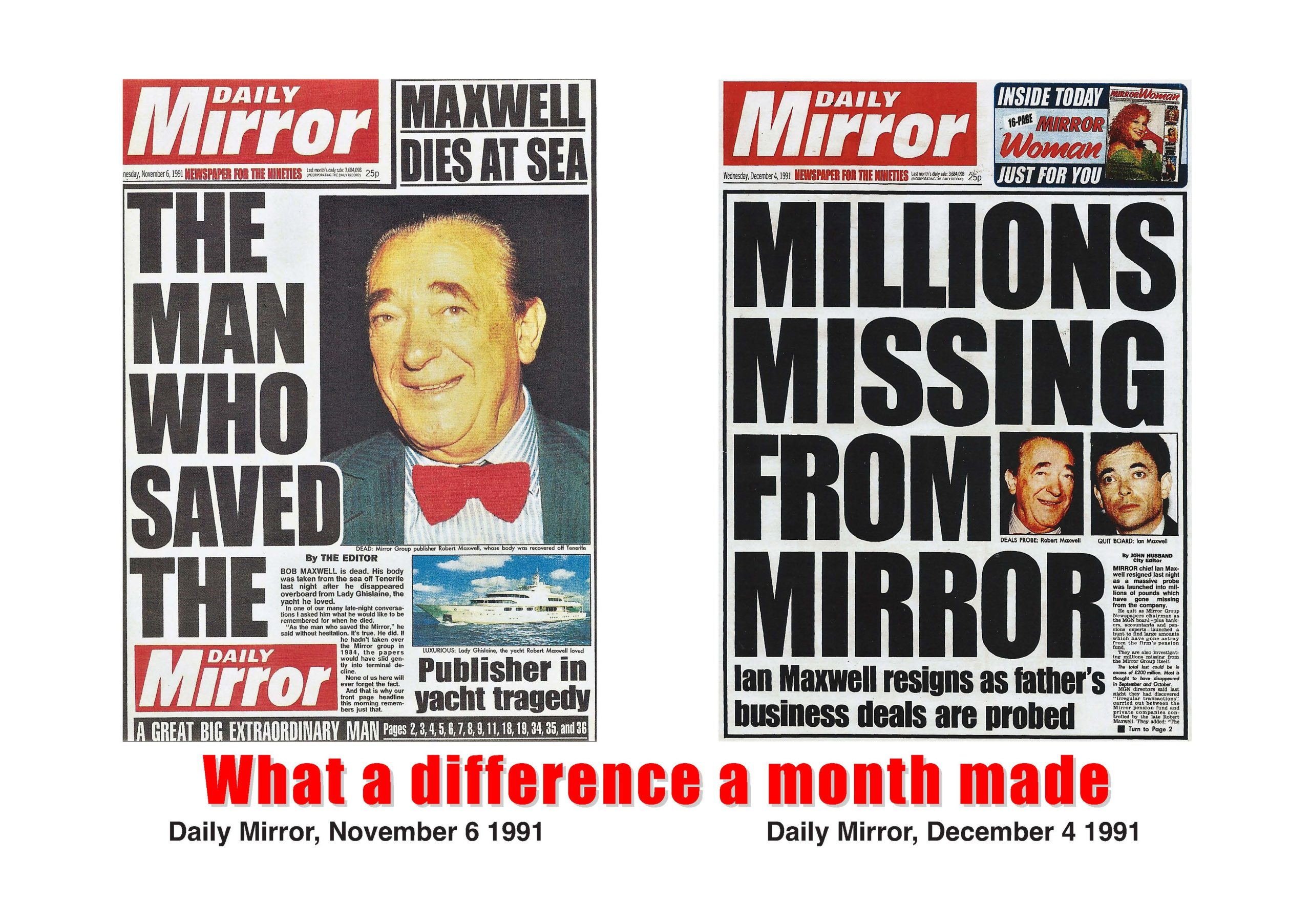
Some believe Maxwell took his own life.
The theory isn’t without logic. Facing financial ruin, public disgrace, and potential criminal charges, he may have seen no way out. The yacht, isolated and private, would have provided the perfect setting.
But there’s no note.
No direct evidence.
And those close to him have often rejected the idea, insisting that Maxwell was too combative, too convinced of his own ability to escape consequences.
Still, desperation can reshape even the most formidable personalities.
The Mossad Allegations

This is where the story shifts from financial scandal into geopolitical intrigue.
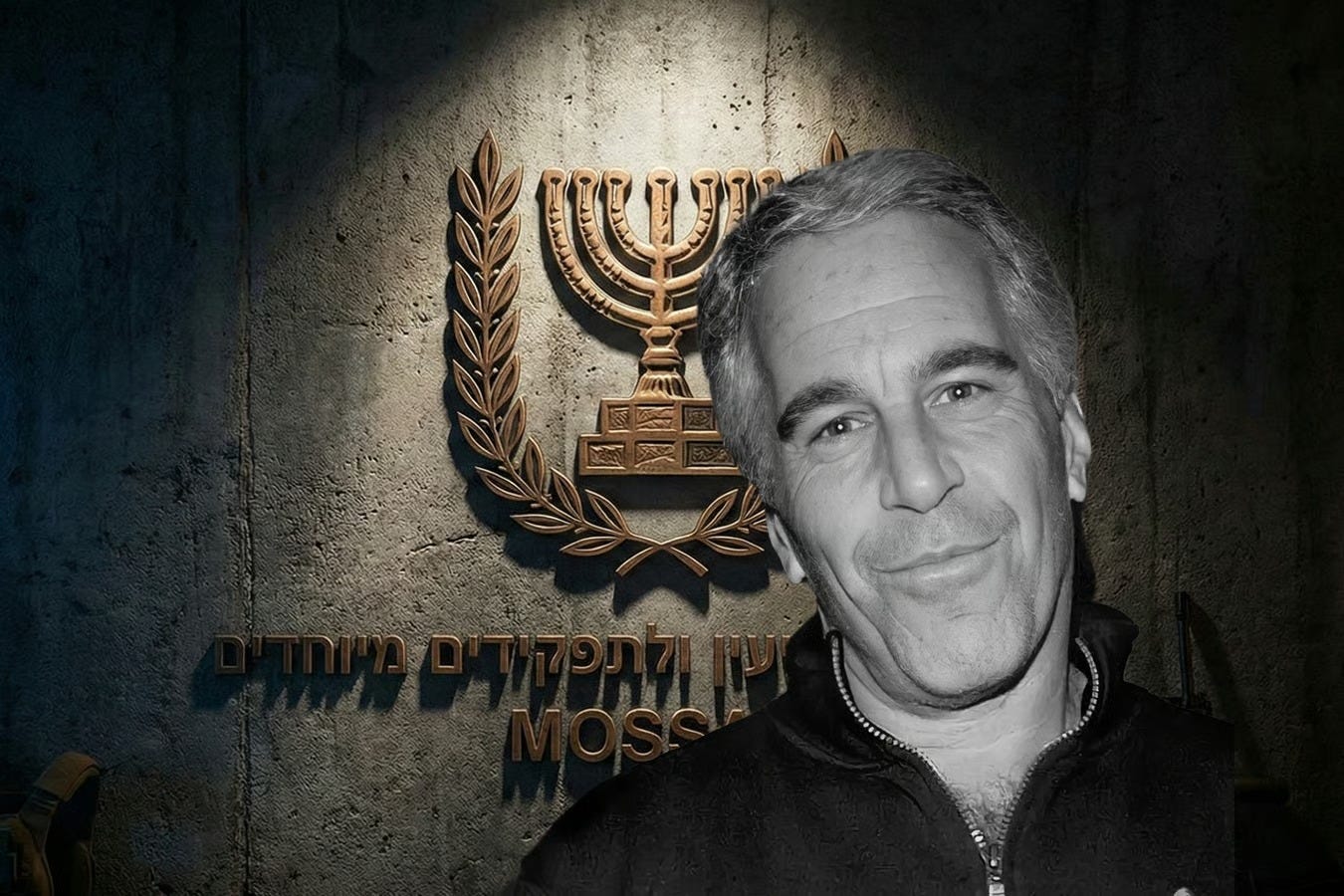
For years, there have been persistent claims that Maxwell had ties to Mossad. Some former intelligence officials and journalists have suggested he acted as an asset or intermediary.
The most notable voice here is Ari Ben-Menashe, who alleged that Maxwell was deeply connected to Israeli intelligence operations.
If true, it raises uncomfortable questions:
Did Maxwell know too much?
Was he a liability as his financial empire collapsed?
Could his death have been… managed?
There is no definitive proof.
But the persistence of these claims keeps the theory alive.
A State Funeral That Complicates the Narrative
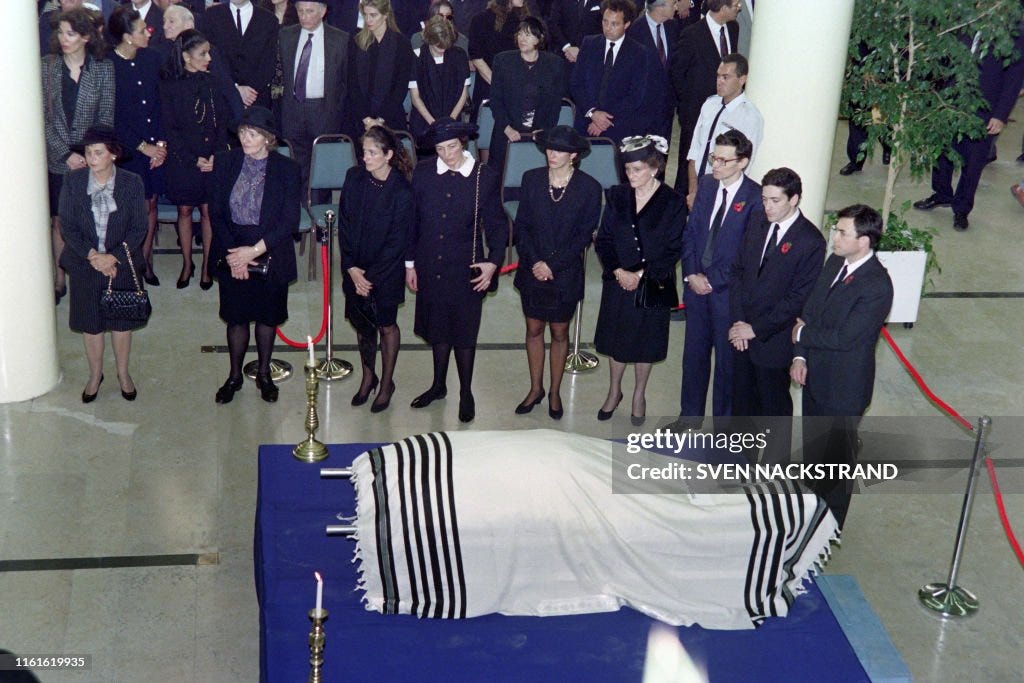
After his death, Maxwell was buried in Israel with full honors.
Attendees included high-ranking Israeli officials, including Yitzhak Shamir. Eulogies praised his contributions in unusually strong terms for a foreign businessman.
That alone doesn’t prove intelligence ties—but it’s unusual.
It suggests a relationship that went beyond business.
And it adds another layer to an already complex story.
The Yacht: A Floating Crime Scene?
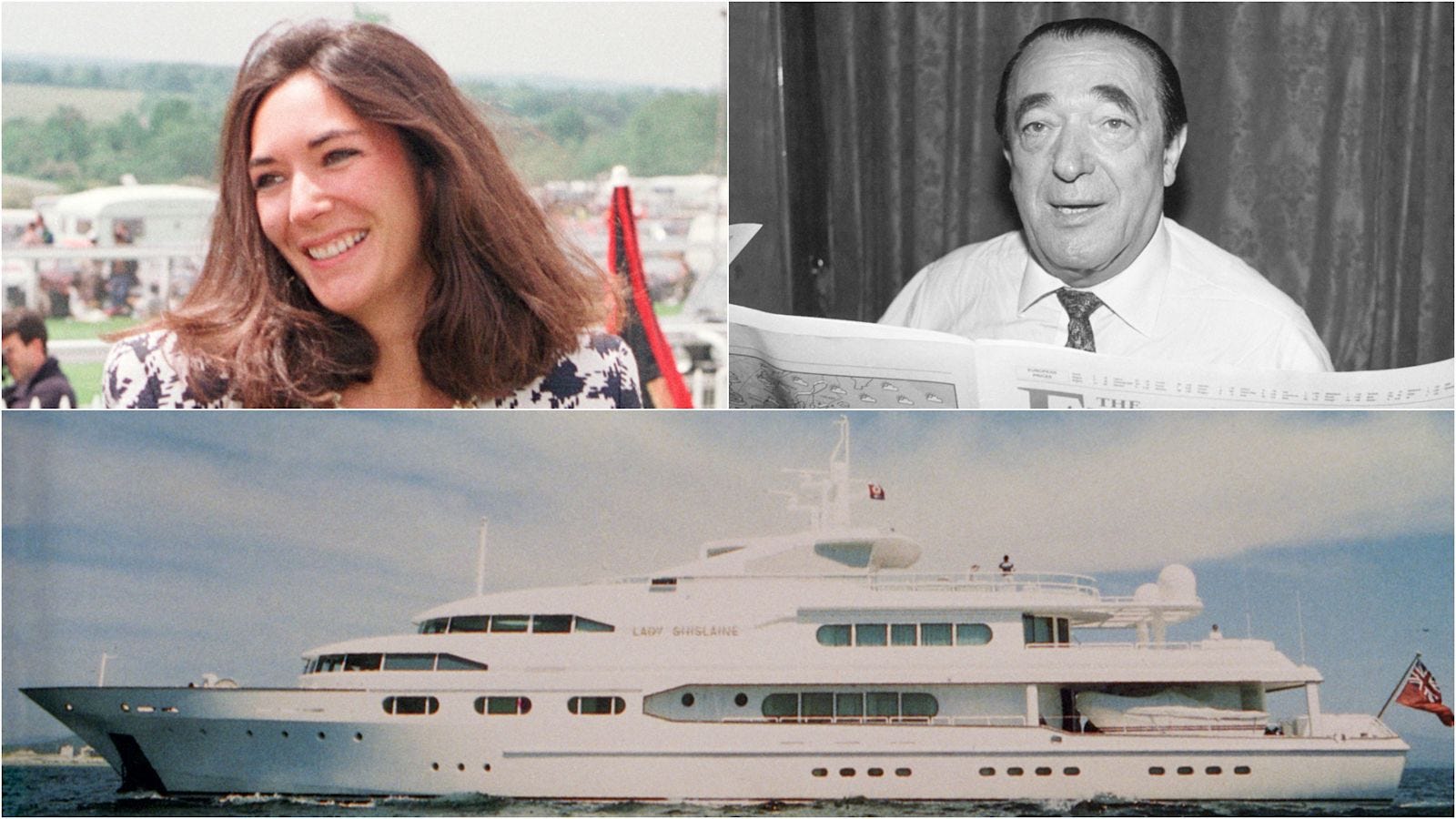
The Lady Ghislaine was searched, but no conclusive evidence of foul play was found.
Still, questions linger:
Why were there no witnesses?
Why didn’t anyone hear anything?
Was the deck inspected thoroughly enough?
Yachts, by their nature, are controlled environments. Movements are limited. Sounds carry. The absence of any clear account of Maxwell’s final moments is, at the very least, curious.
The Daughter Who Would Later Become Infamous
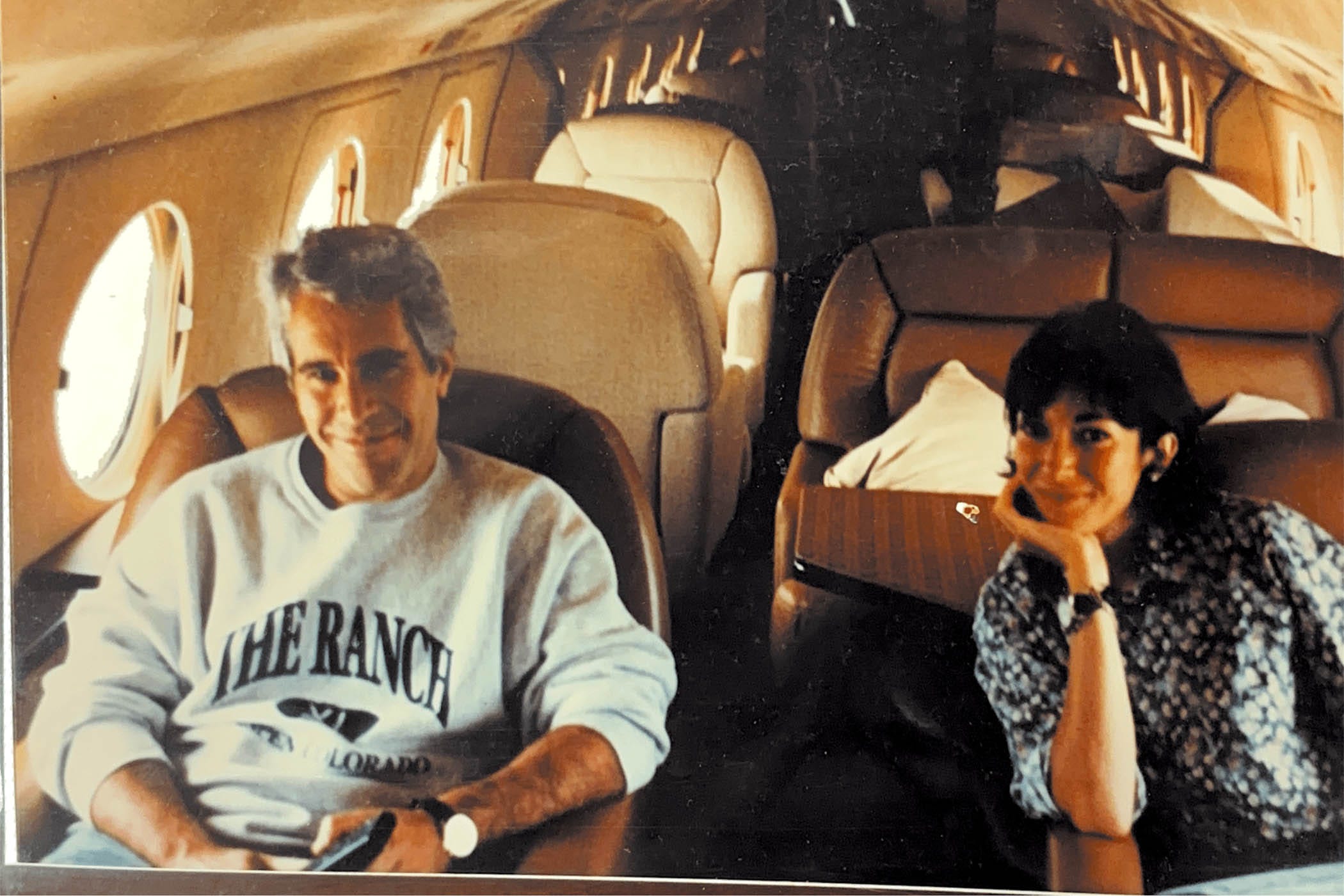
It’s impossible to write about Robert Maxwell today without acknowledging his daughter, Ghislaine Maxwell.
Her later association with Jeffrey Epstein has cast a long shadow over the Maxwell name. While her actions are separate from her father’s death, they’ve intensified public interest in the family’s history and connections.
Some researchers speculate about overlapping networks of power, influence, and secrecy.
That speculation remains just that—speculation.
But it reinforces a broader truth: the Maxwell story doesn’t exist in isolation.
Why the Truth Remains Elusive
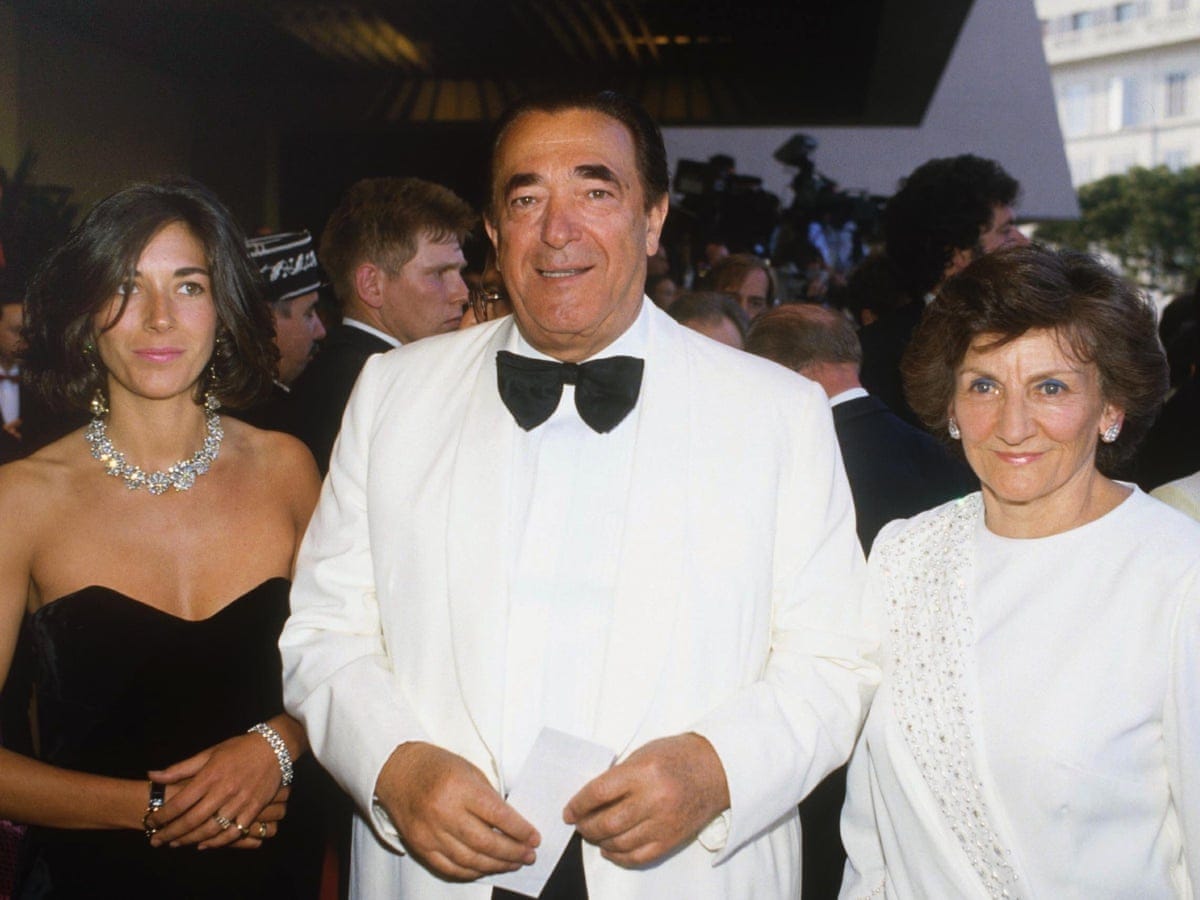
After decades of investigation, journalism, and speculation, we are left with three primary possibilities:
Accidental Death
A simple, tragic fall overboard.Suicide
A calculated decision in the face of imminent collapse.Foul Play
An intervention tied to financial or intelligence interests.
Each theory has gaps.
Each leaves questions unanswered.
And perhaps that’s the point.
The Middle Ground — What We Can Actually Confirm

Stripping away the speculation, here’s what we know:
Maxwell was under severe financial pressure
He had misappropriated pension funds
He died at sea under unclear circumstances
No definitive evidence of foul play was found
His death preceded the exposure of a massive scandal
Everything else lives in the gray zone between inference and imagination.
Why This Story Still Matters
It would be easy to dismiss Maxwell’s death as a relic of the early ’90s—a mystery that belongs to another era.
But the themes are strikingly modern:
Financial misconduct at massive scale
The intersection of media power and politics
Allegations of intelligence connections
The ability of powerful figures to shape narratives
Maxwell’s story is less about how he died and more about the systems that allowed him to operate as he did for so long.
Mid-Story Note for Serious Readers
If you’ve made it this far, you’re exactly the kind of reader this publication is built for.
Free content scratches the surface. Paid subscribers get the full depth: extended investigations, source breakdowns, and pieces that go where mainstream coverage often won’t.
Upgrading isn’t just access—it’s participation in keeping independent investigative writing alive.
The Psychology of a Man Like Maxwell
I find myself wondering—not how he died, but how he thought in those final days.
Maxwell was not a passive figure. He was aggressive, controlling, and accustomed to winning. People like that don’t easily accept defeat.
Which complicates the suicide theory.
But it also complicates the accident theory.
Because a man so aware of risk, so obsessed with control, doesn’t usually place himself in vulnerable positions without reason.
Unless something forced the situation.
Or someone did.
The Limits of Evidence

One of the most frustrating aspects of this case is how little hard evidence exists.
No surveillance footage.
No clear forensic breakthrough.
No definitive witness account.
In modern investigations, we rely on data—digital trails, cameras, metadata.
In 1991, much of that simply didn’t exist.
Which means the truth, whatever it is, may have slipped into the ocean with him.
A Pattern of Power and Collapse
Maxwell’s story fits a broader pattern:
Rapid rise
Expanding influence
Increasing risk
Hidden instability
Sudden سقوط
We’ve seen versions of this arc before, and since.
What makes Maxwell different is the unresolved ending.
So—What Do I Think?
After going through the evidence, the testimonies, and the competing narratives, I don’t land on a single answer.
But I do rule out simplicity.
This was not a straightforward accident in the way official reports suggest. There are too many contextual pressures, too many unanswered questions.
At the same time, there’s no conclusive proof of assassination or coordinated foul play.
Which leaves us in an uncomfortable space:
A high-probability event shaped by extreme circumstances, but lacking definitive explanation.
The Final Image

I return to the ocean.
Dark, indifferent, swallowing evidence as easily as it swallows bodies.
Maxwell disappears into it, taking with him not just his life, but clarity.
And maybe that’s why the story persists.
Not because we lack theories—but because none of them fully satisfy.
Final Thoughts — And One Last Ask
If you’ve read this far, you already understand the value of going deeper than headlines.
This publication is built for readers who want context, nuance, and investigations that don’t shy away from complexity. But producing this level of work takes time and independence.
So here’s the direct ask: become a paid subscriber.
You’ll get full access to long-form investigations, exclusive content, and early releases—and you’ll directly support the continuation of this kind of reporting.
Because stories like this don’t just disappear.
They wait.
And someone has to keep asking the questions.